What I'd Grab in the Criterion Closet
A short list of long obsessions

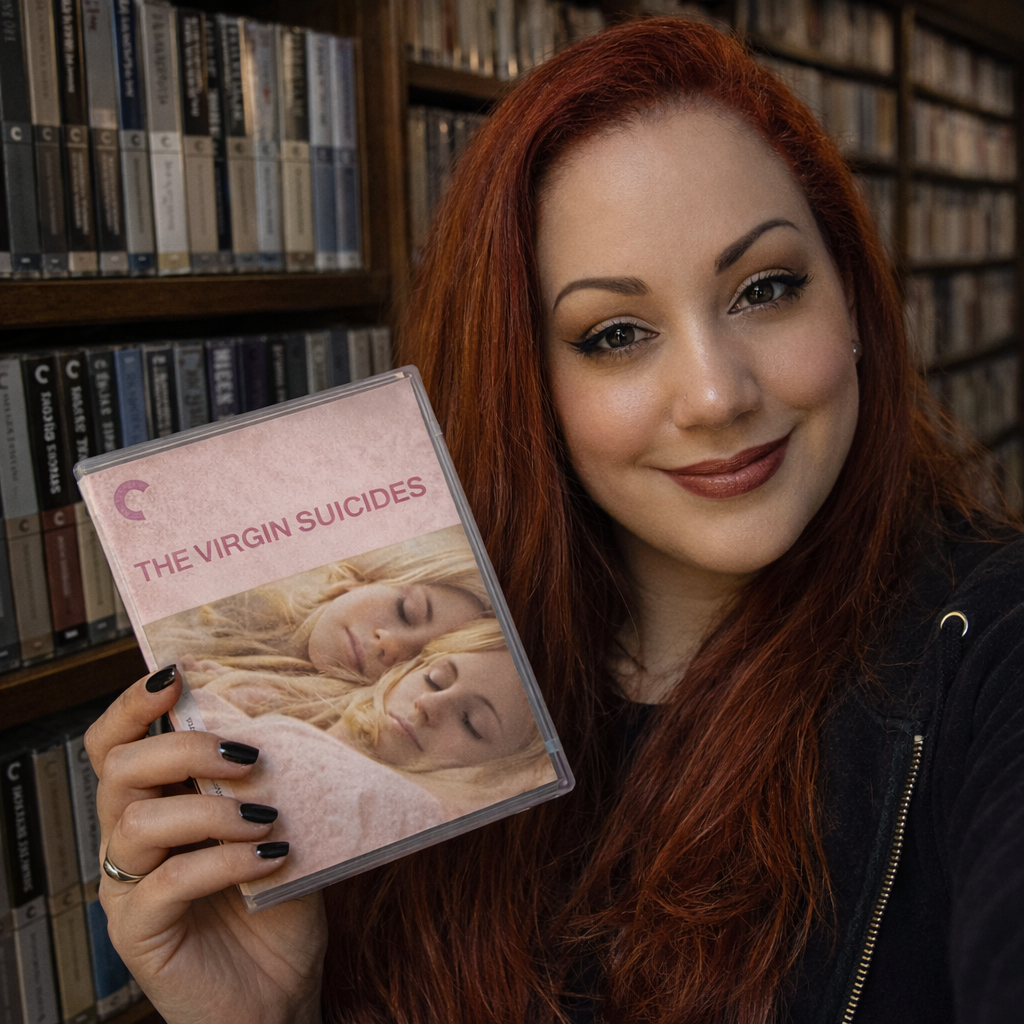
So, Seth did his own imaginary Criterion Closet visit yesterday over on his awesome Substack, so obviously I felt competitive in the most loving, married-to-a-fellow-cinephile way possible.
If you're at all familiar with the Criterion Closet, then you also know the format. A famous person walks into the sacred hallway of spines. They touch things reverently, they pretend they have ten minutes and unlimited emotional honesty, and they choose films that either make them look cool or quietly expose them as posers.
That said, I would like to say I’d grab the most intellectually impressive stack.
I would not.
I would reach for the films that feel the most like weird, beloved rooms I’ve lived in for a very long time. That said, here are my five.
Slacker (1990)
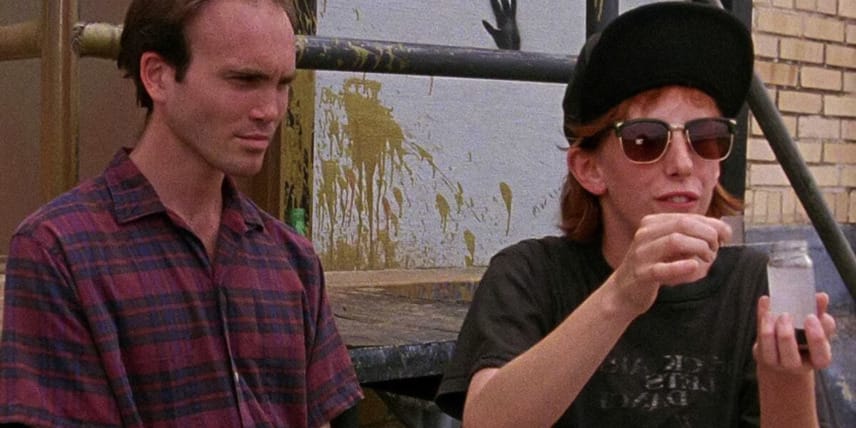
So, I think I'll kick this list off with a nice dose of drift, because that's just how I roll. Also, there was no way a Richard Linklater film wasn't making this list.
This is Linklater's first Austin fever dream, and it doesn’t actually “go” anywhere in the traditional sense. It just wanders casually from person to person, conversation to conversation, idea to idea, and that's part of what I love so much about it. No grand climax or tidy story arc involved. Just different minds sparking against each other in random places like quirky coffee shops, small apartments, and sun-soaked sidewalks.
This movie validates the idea that curiosity counts and overheard fragments (especially the strange, random kind) really matter. Strange, half-formed obsessions deserve airtime, and this film shows us that beautifully. And as Linklater's first film, it gives fans an excellent introduction to the time-master filmmaker he'd eventually become.
Slacker also probably resembles my internal monologue more than anything else on this list. It's restless, tangential, occasionally brilliant, occasionally absurd, and always listening, just like me.
It's a huge personal staple for me for that reason, and I wouldn't have it any other way.
Eyes Wide Shut (1999)
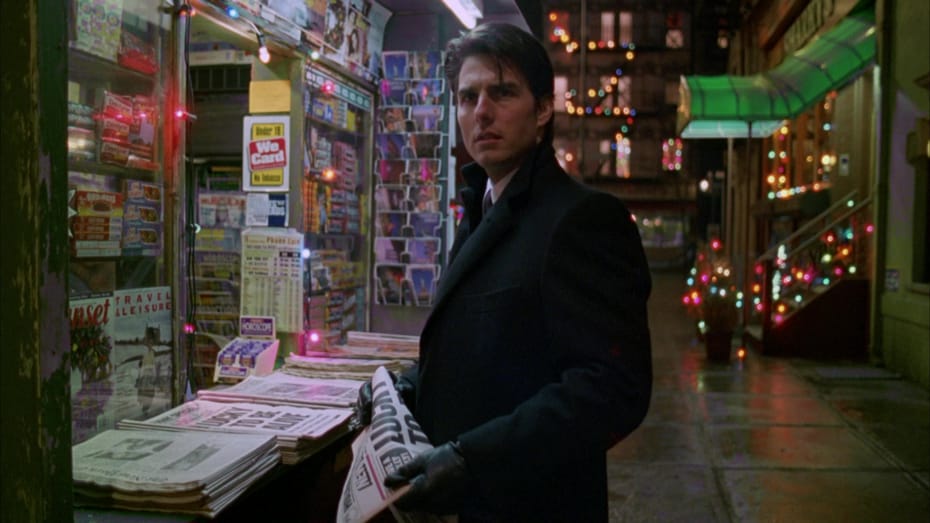
If I had to sum this film up in a nutshell, I'd probably describe it as "marriage, but make it ritualized and slightly terrifying."
Stanley Kubrick’s final film is the cinematic equivalent of staring at your own reflection a beat or two too long (when you're high, maybe). It’s about desire, performance, projection, power, and the subtle horror of realizing you don’t fully know the person you sleep beside.
Or the world you think you live in. Or yourself, for that matter.
That said, the first time I watched this, I thought it was about sex (and secret societies, natch). The second time, I realized it was about insecurity. The third time and beyond, I think I finally understood it was about identity.
By the tenth viewing, I had accepted that it’s about all of that at once.
This film fascinates me because it never raises its voice. Instead, it glides along through a beautiful, horrible night-winter version of the world you think you know while letting you squirm on the sidelines. It also assumes you’ll do the psychological work without hand-holding.
And that masked ritual sequence? Please. That lives rent-free in my brain at all times, along with the soundtrack.
So, by grabbing Eyes Wide Shut in the Closet, I suppose I’m telling you I’m interested in the layers underneath polite conversation. I want to know what people fantasize about when they can’t sleep, and I love examining the architecture of intimacy.
Also, let’s be real. It looks dope AF on a shelf.
The Virgin Suicides (1999)
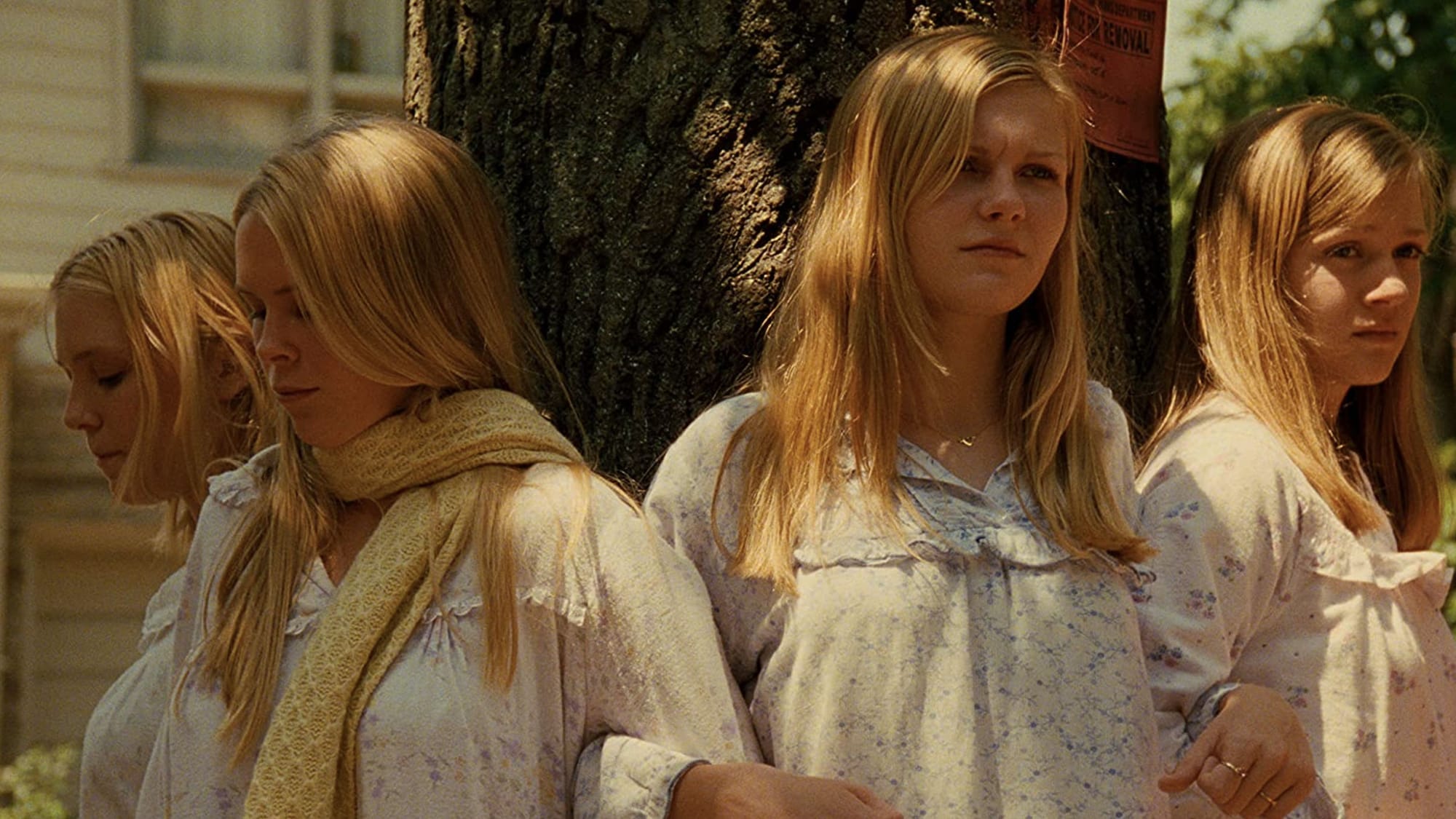
To start with, if I were in the market for a personal color palette, it would for sure look like this film, because it is beautifully shot. It's also haunting and meticulously planned, which I appreciate.
In Suicides, Sofia Coppola captures adolescence as myth — hazy, romanticized, and really pretty impossible to fully grasp. The Lisbon sisters exist the way constellations do. You can trace their outlines and tell yourself all the stories you want to about them, but you’ll never truly reach them.
Along with Eyes Wide Shut, I didn't actually discover The Virgin Suicides in the '90s when it first came out. But it still very much reminds me of being an age when everything still felt heightened and misunderstood. Discovering this as a middle-aged woman made me feel like someone had actually bottled the mood of girlhood, including all the softness, the suffocation, and the feeling of being observed without ever also being known.
I love that about it.
Every time I revisit The Virgin Suicides, I notice something new in the spaces between scenes — in the glances, music cues, and the way it reminds us all that nostalgia can easily distort memory until it becomes a character all its own.
This is also very much the film I’d choose if someone asked, “What does interiority look like on screen?”
Well, it looks like this.
The Vanishing (1988)
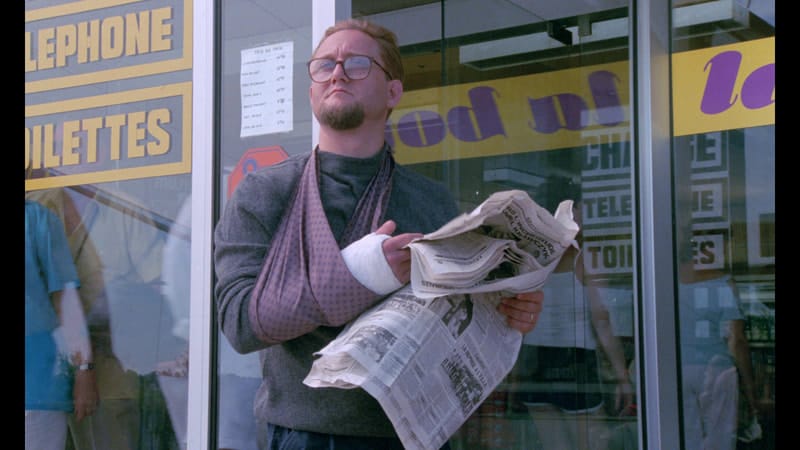
If you’ve seen this film, you probably already know why it belongs in my stack. But if you haven’t, I won’t ruin it for you.
I will simply tell you it explores obsession with surgical calm. It's also light-years better than the weak-sauce 1993 remake that I actually semi-liked before I saw this. So make sure you go for the original if you do decide to check it out.
Basically, a woman disappears, her boyfriend refuses to let the question of where she is fade over the years, and the search eventually becomes less about love and more about needing to know at any cost. Ot at least that’s the hook.
What really gets me about this film, though, is the psychological precision the whole thing has going on. Nobody behaves theatrically or monologues about their evil plans. The horror actually emerges from the banality of it all in a way you just have to experience for yourself.
I admire films that trust the audience, and The Vanishing does exactly that. It lets you sit there and stew in your discomfort, and it refuses to tidy up the existential implications for your satisfaction.
It also suggests closure always comes at a cost (and maybe it does).
That said, this one would go into my Closet stack as a quiet reminder that curiosity can consume you if you let it, so maybe don't do that.
The Others (2001)
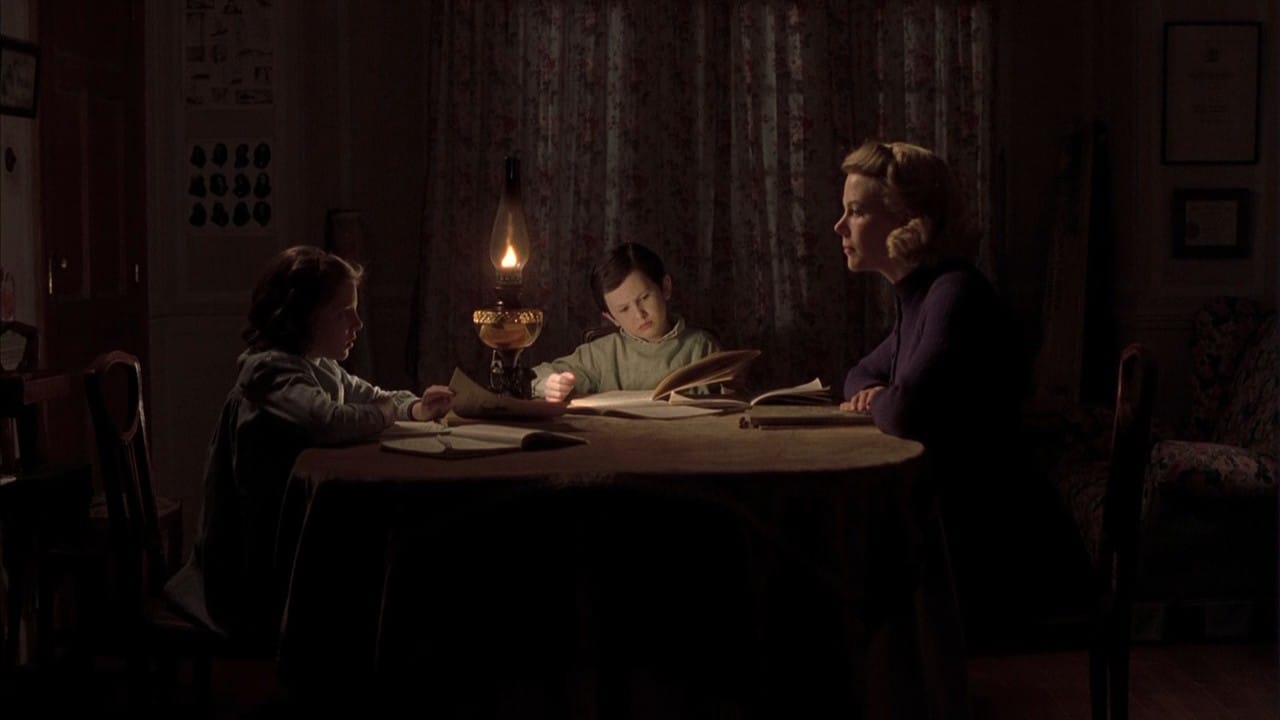
Finally, we have one of my favorite films about a house, because of course we do.
And if you really know me, you understand why a haunted domestic space resonates this hard. The Others introduces us to a woman trying to maintain order, children living under bizarre rules, and a living space that feels slightly off in a way you can't quite put a finger on.
I'm seriously here for the restraint in this film. I dig the way it whispers instead of shrieks and builds atmosphere through shadow and silence rather than flashiness.
And Nicole Kidman delivers a performance that simmers. (She's in a lot of my favorite films, I'm realizing.) The tension there is nice and controlled, and you can feel the tightness building in the walls.
Another thing I really love about The Others is how well it reframes everything without feeling gimmicky. Twist endings were big (and quickly becoming overused) when this film came out, so I love the way this one didn't feel like it was there for the same tired shock value. Instead, it deepens the emotional architecture of the story.
The Others taught me that a house can hold memory. It can also easily hold denial and strange secrets in the same space.
That theme hits differently when you’re actively reshaping your own living space the way I have been lately. So yes, I would absolutely clutch my copy of this film protectively on my way out of the Closet.
What I Suppose This Stack Says About Me
Looking at these five together, I think I see a pattern forming.
None of them really rely on raw spectacle to get their points across (although many of them have some pretty cool visuals to enjoy). None of them chase easy catharsis, either. But each one explores concepts like identity, longing, obsession, secrecy, and isolation (internal weather systems we all carry) in its own way.
So apparently, if given ten minutes in the Criterion Closet, I would choose psychological atmosphere over narrative fireworks any day. I would also choose to showcase films that ask questions instead of delivering clean answers. Atmosphere is powerful enough to handle the heavy lifting all by itself.