Jim Carrey, Andy Kaufman, and the Art of Letting People Squirm
A love letter to social experiments, good-natured trolling, and intentional confusion

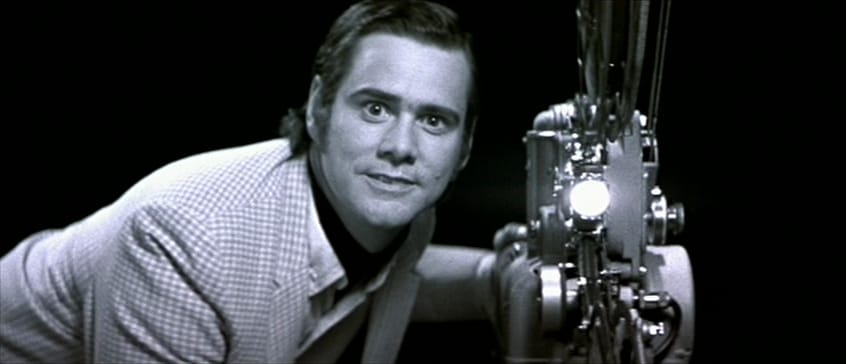
So, the other day, we rewatched Man on the Moon during one of the joint workdays we've been having while workers are in the house. Always a risky move, really, because revisiting anything you love too much can go one of two ways. Either it still sings like a well-trained soprano, or it collapses into a sad little pile of dust and bad decisions.
This one, thankfully, still sings. Maybe even louder than it did before, because that's apparently how experiences like this play out now that I'm aging.
We followed it up with Jim & Andy: The Great Beyond last night, because apparently I wanted to spend an entire second evening marinating in secondhand discomfort and artistic extremism. No regrets, but for sure plenty of vibes. Unsettling, fascinating vibes.
What really stuck with me this time after rewatching both films — probably because I’m older, crankier, and far less interested in managing anyone else's fragile feelings for them —was how little this story actually has to do with comedy. For me, Man in the Moon is really about reactions. It’s about what people do when all the polite social cues and scripts they've come to expect go mysteriously, indefinitely missing.
Because I'm realizing Andy Kaufman was never really saying, "Look at me." He was saying, "Look at you." And boy, is that not something people actually like being told to do.
Andy Kaufman Didn't Want Attention, He Wanted Reactions
I was too young to really process Andy Kaufman as a performer or remember much about his act back when he was still around (although I do recall my dad liking Taxi when I was little). But I feel like most people remember him as a prankster and a provocateur.
That assessment feels woefully incomplete to me, because Andy wasn’t out there smashing pies in anyone's faces or explicitly roasting anyone. Half the time, he was just standing there being weird, refusing to clarify what the hell was actually happening.
But that’s what I love about him, as well as what some people didn't.
Andy’s performances were essentially social stress tests. He introduced a single variable — uncertainty — into a situation and then waited to see what would happen next. No reassurance, and no discernible wink to the camera for the audience's comfort. No “just kidding” to keep people from being too uncomfortable, either.
He just went right ahead and let the room decide how long it could tolerate feeling uncomfortable and out of the loop. It was what people revealed about themselves in that gap that was the point.
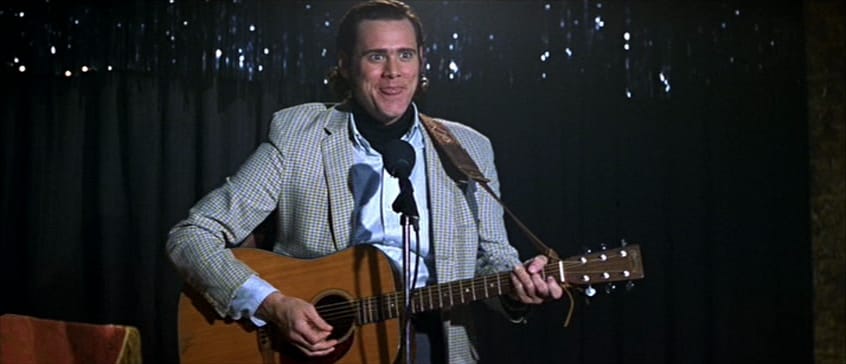
Trolling as a Form of Curiosity (Yes, Really)
So, I feel the need to admit something about myself at this point that I'm not too sure everyone gets about me.
I love social experiments. The more elaborate, the better.
And the Internet makes such things so easy to fuck around with, if you're that type. I fully admit to having taken full, egregious advantage of that state of affairs myself over the years, sometimes to prove a point, but mostly just for my own amusement.
Granted, I'm not talking about pranks or anything truly mean-spirited, because I actually don't like that stuff or think much of people who do. I'm talking about the "let's just float this out there and see what happens" kind of experiment.
I enjoy doing small, harmless things that are just off-script enough to tell me something about anyone watching. I like saying weird stuff and putting off-center content out there that's 100 percent meant to confuse the shit out of people, just to see who (if anyone) is willing to admit they don't get it. Because I like seeing:
- Who naturally pivots when I refuse to meet expectations
- Who becomes deeply uncomfortable and demands an explanation
- Who tries to force me to fall back on accepted rules or labels
- Who takes it weirdly, weirdly personally when they do realize I'm kind of having a laugh
Because you learn so much about people when you don’t rush to manage their feelings for them. Andy understood that. He didn’t mock people. He did let them talk themselves into corners, though.
There’s something truly freeing about refusing to perform relief on cue. About letting silence and ambiguity just sit there in a dark corner like uninvited guests, while taking note of exactly who just can't handle it for whatever reason.
And Then There's Jim Carrey
You know. The guy who looked at the whole Andy Kaufman biopic assignment and took it as his personal cue to become professionally unbearable.
Because I've realized over the years that Jim didn’t play Andy Kaufman so much as he very accurately recreated the conditions Andy so famously caused. Staying in character on set wasn’t really the gimmick I might have thought it was when I was younger. It was Jim deciding that if Andy made people uncomfortable by existing slightly out of sync with reality, then he'd best do the same.
Naturally, this forced everyone around him to also live inside his little experiment, and it was definitely a choice.
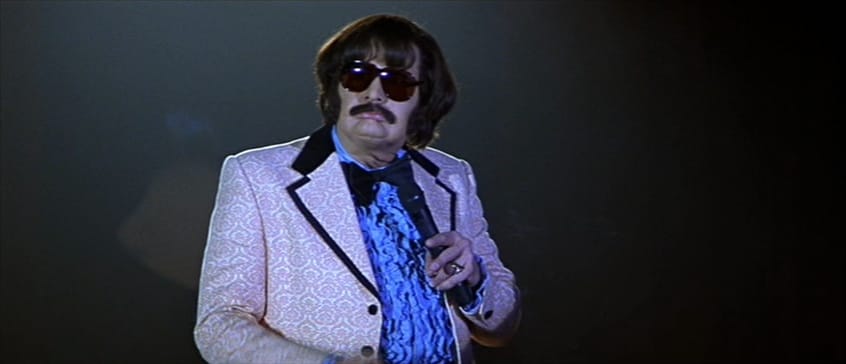
The Jim & Andy documentary makes it crystal clear how destabilizing this was for everyone, from director Miloš Forman to the assistants in the makeup trailer. Crew members never had a clue who they were going to be dealing with that day (Jim, or Andy, or Andy's abrasive Tony Clifton alter-ego). Emotions ran hot. Some people got super angry, while other people grieved. Pretty sure there were at least a couple of folks who straight-up begged him to stop.
I'm sorry, but that's masterfully on brand.
Because Jim didn’t just imitate the performance of a legend. He forced everyone else to participate in it, as well, whether they wanted to or not, just like Andy would have.
Method Acting as Boundary Violation (On Purpose)
Now... was it too much? Was Jim being selfish? Was what he did unfair to the people around him?
Well, sure. Sometimes. Probably.
But all that discomfort was hardly accidental or played simply for shits and giggles. It was the material.
As humans and viewers, we're all pretty comfortable with intensity when it actually stays neatly on screen. We clap for it and reward it. We even take it seriously enough to hand out shiny, gold statues for it. But the second anything like that leaks into real life, we panic and start longing for an experience where everything follows the rules again.
Andy never bothered to restore that order. Jim didn't do it, either.
In fact, both of them forced us to consider a question most people really don't like answering. Why do we feel entitled to emotional reassurance from other people, and what happens when no one steps in to provide it?
And the fact that all this still bothers people decades later suggests it all landed exactly where it was supposed to. I can dig it.
Why This Performance Was Never Going to Win an Oscar
As much as it pains me to say so, Jim Carrey was never going to win an Oscar for Man on the Moon. It isn't because his performance wasn’t extraordinary, either, because it was.
It was because what he created was inherently unrewardable. It didn’t resolve cleanly or flatter the audience in the way people expect. It didn't politely thank you for coming to the theater and partaking in Jim's TED Talk, either.
Instead, it implicated everyone watching. Then it went and asked a bunch of uncomfortable questions right before refusing to answer them for anyone. Awards culture prefers suffering that’s noble, trendy, and safely contained.
Unfortunately for Jim, this was none of those things.
Much like many of Andy's own acts years before, Jim's performance (not to mention the way it came about) didn’t really say, "Feel for Andy" so much as it said, "Notice yourself."
Historically, that doesn't play very well in a room full of people wearing expensive clothes while pretending to be cool and chill.
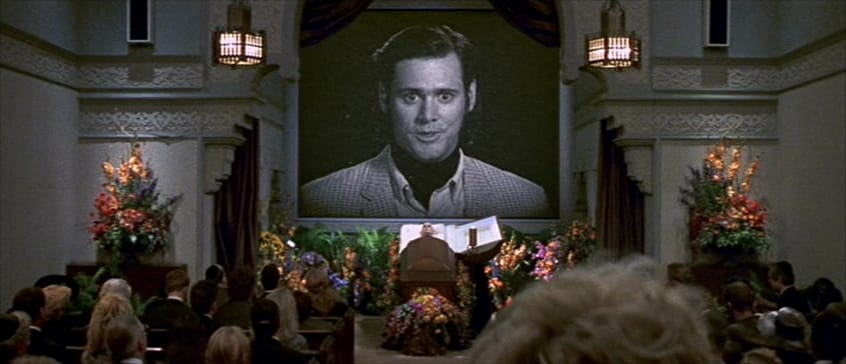
Watching the Room, Not the Stage
What I honestly keep coming back to, after all these years with Man on the Moon as part of my personal ongoing rotation is how much I enjoy thinking about what happens when the script disappears and the person on stage refuses to reinstate it.
Andy Kaufman lived there. Jim Carrey visited for a period and refused to leave.
And I’m hardly claiming kinship with either of those guys, but I also recognize the impulse and a similar form of curiosity in myself. I'm familiar with the quiet joy of observing how quickly people reveal their true expectations when no one instinctively rushes to meet them.
Because sometimes the most interesting performance isn’t the one happening on stage. It’s the one unfolding in the audience once people realize no one is coming to tell them how to feel.
And honestly? I’ll rewatch that any time.